Top Tips for Eco-Friendly Window Treatments
One of the best ways to easily improve the environmental impacts of your home is to add appropriate window treatments. Uncovered windows allow for heat to easily enter and exit your home, making it difficult to keep it at a consistently pleasant temperature. As such, your heating system or air conditioning unit must work a lot harder to maintain the temperature you like, which wastes a lot of energy unnecessarily. Therefore, adding window coverings of any variety is typically a step in the right direction in terms of protecting the environment. However, there are certain types of window coverings that are more environmentally friendly or offer greater insulative benefits than the other options available. Here are our tips for selecting window coverings in an environmentally conscious way.
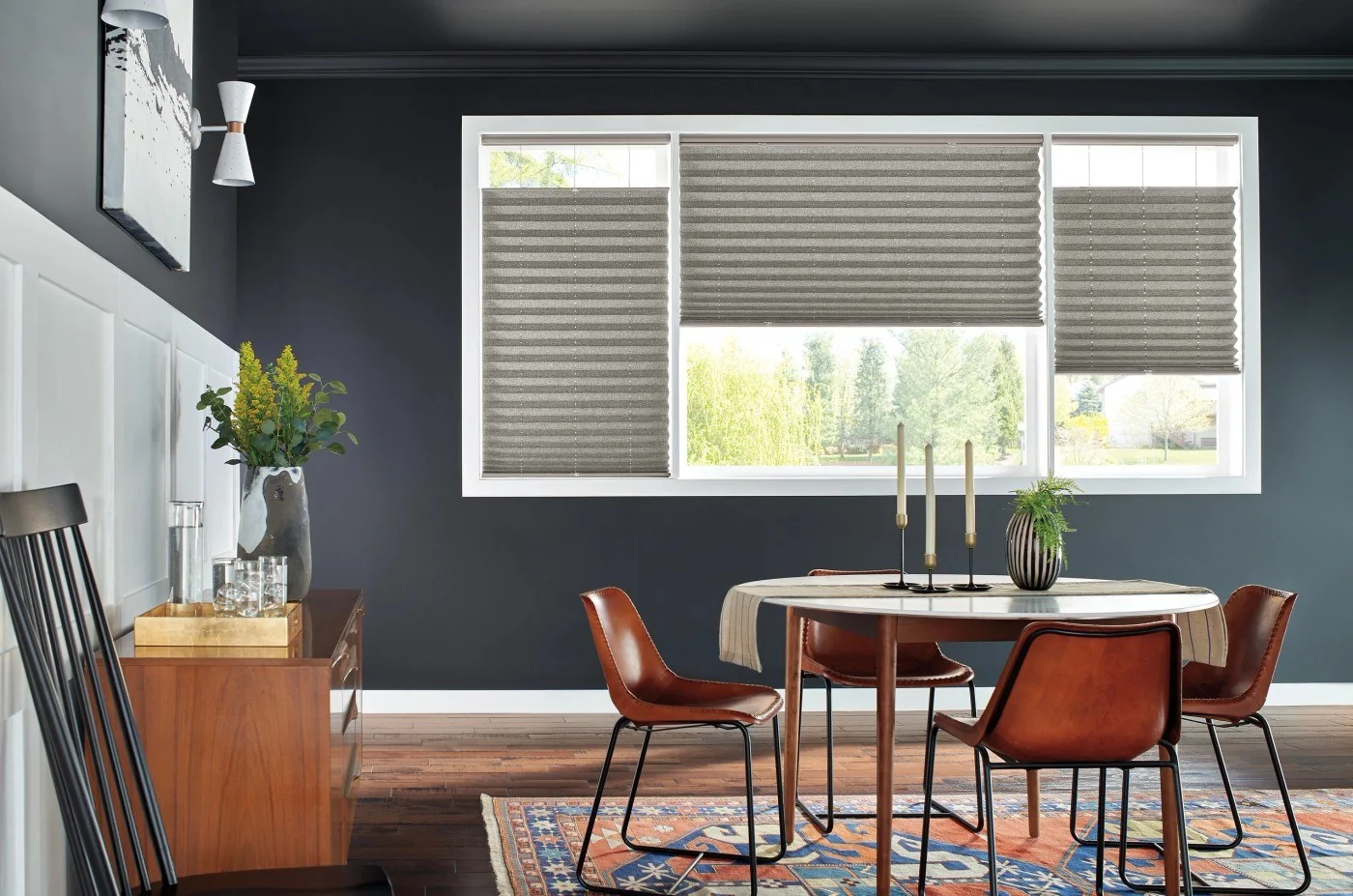
The first way of being environmentally conscious with your window coverings is to maximize the insulative benefits that they provide. In this regard, there are a few types of window coverings that stand apart from the rest. The first of these options is cellular shades. Cellular shades offer wonderful insulation due to their hollow, honeycomb-like tubes that form a great barrier against outside weather conditions and help retain heat that would otherwise escape your home. They have the highest R-value of the standard window treatments available, so they really are the best suited to performing this task. The second option to consider here are window shutters, which have a thick, wooden construction that does a great job of maintaining the temperature inside when they are closed. Due to the great strides made by industry leaders to improve the sourcing of natural wood and to provide alternatives to make up for the drop in supply, shutters are now an environmentally conscious option in that regard as well. At very different price points and levels of associated prestige, cellular shades and window shutters both offer improved levels of insulation that makes them stand out from the pack in terms of their environmental benefits.
If you like to have your window coverings up most of the day, adding a solar shade made of sheer fabric that stays down throughout the day is a great way of adding a small amount of insulation, while maintaining access to the view outside and much of the natural light. While solar shades are best paired with another form of window treatment to provide greater insulation when you want to fully block your window, the insulation that they do provide throughout the day makes a huge difference when compared to a window alone.
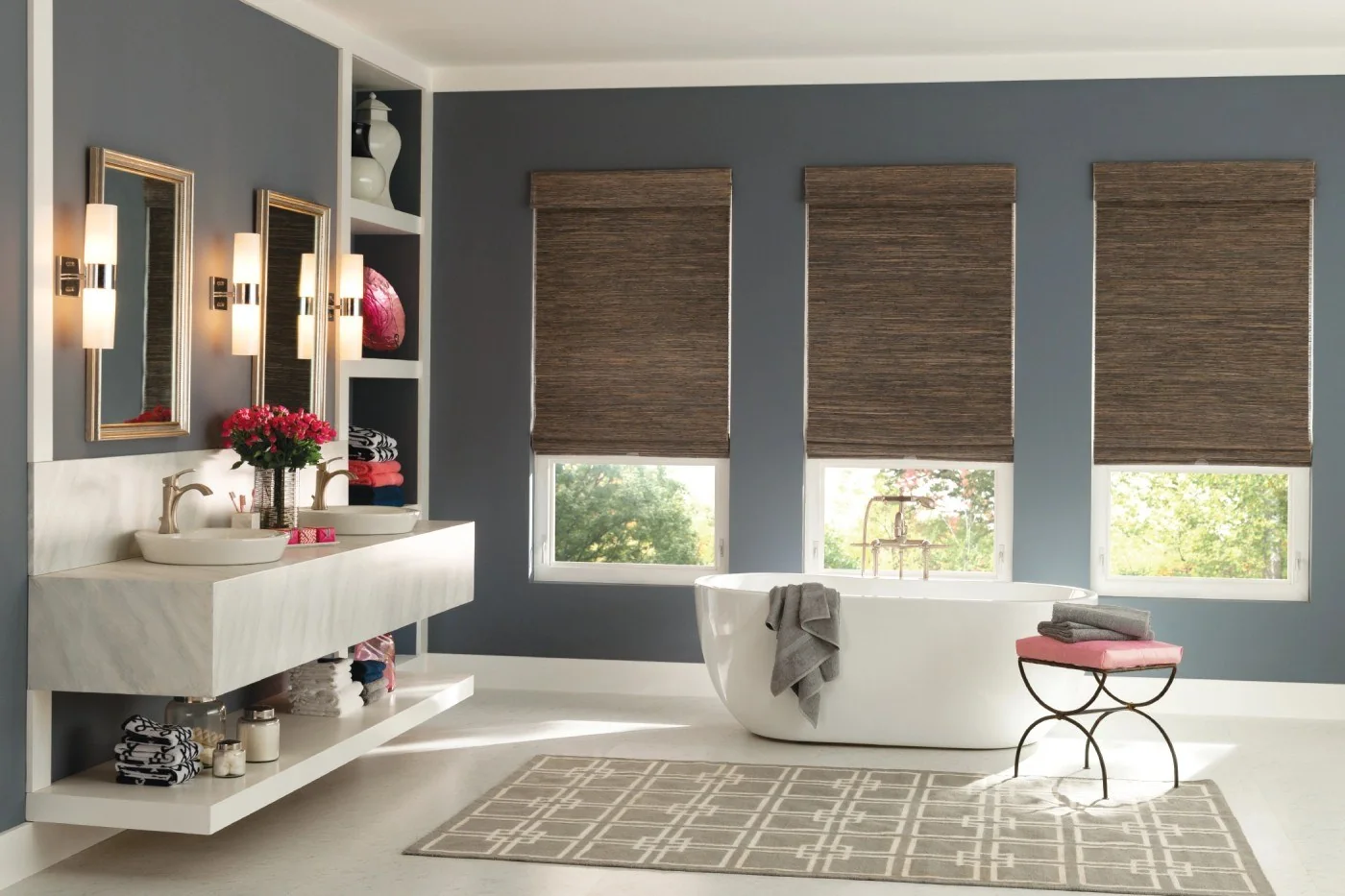
The other way of making your window coverings environmentally friendly is to make them from the most environmentally friendly materials possible. In this regard, it is the bamboo, jute, and tall grass weave present in natural shades that wins out. These plants are all fast-replenishing, natural options that pose little to no risk of causing negative environmental impacts. As such, choosing natural shades is the best way to start off with new blinds that you know were generated in the most sustainable manner possible. Since they are natural materials, they will also biodegrade within a reasonable timeframe after they have been replaced. The most sustainably sourced window treatment option is natural shades.
Hopefully these options inspired you to consider a more environmentally friendly choice for your new window coverings. Whatever you decide, you can be confident that installing any window coverings will make a positive impact on the environment and on your heating bill.